Industrial projects such as factories, warehouses, and production facilities are built to operate, not just to stand. Their success depends on how well the structure, the building systems, and the surrounding infrastructure work together once production begins. In Saudi Arabia, industrial construction requires coordinated work from the first site activity through to full operational readiness.
Starting with the site and the structure
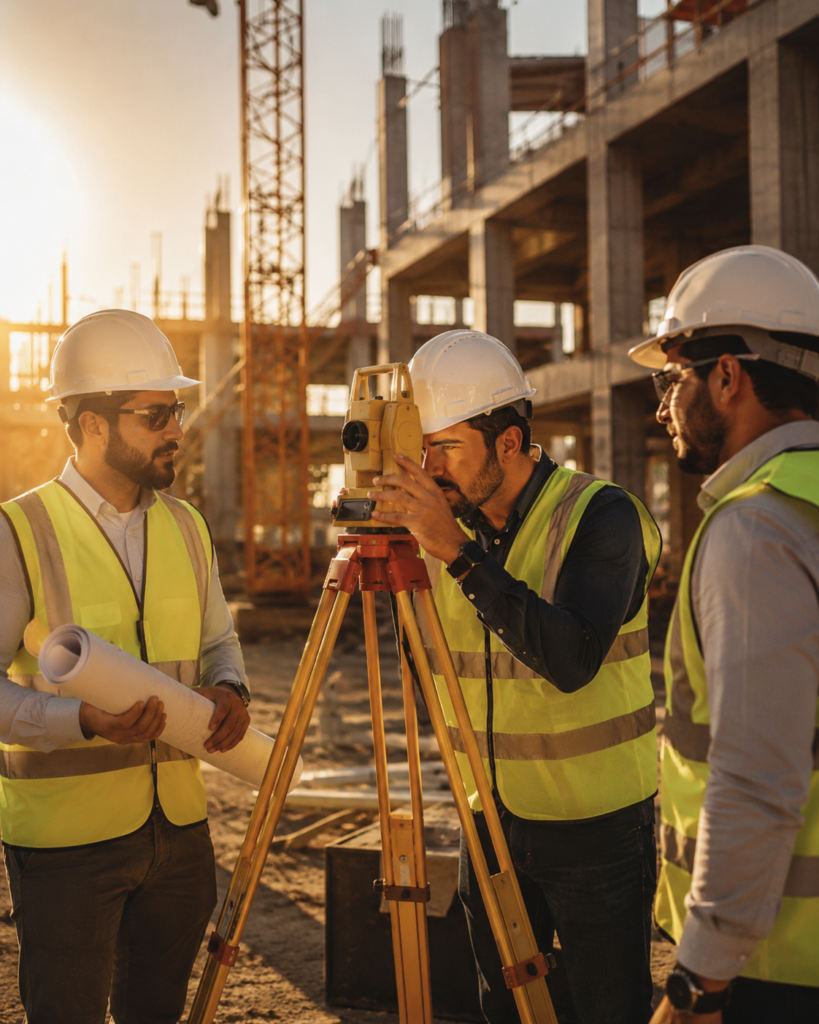
Industrial delivery begins with site preparation, civil works, and foundations designed to carry the loads the facility will face. From there, structural steel and pre-engineered steel systems are widely used for factories and warehouses because they allow large clear spans, efficient construction, and flexible layouts. Insulated sandwich panels are commonly used for walls and roofing to support thermal performance and a clean, durable envelope.
Integrating MEP systems
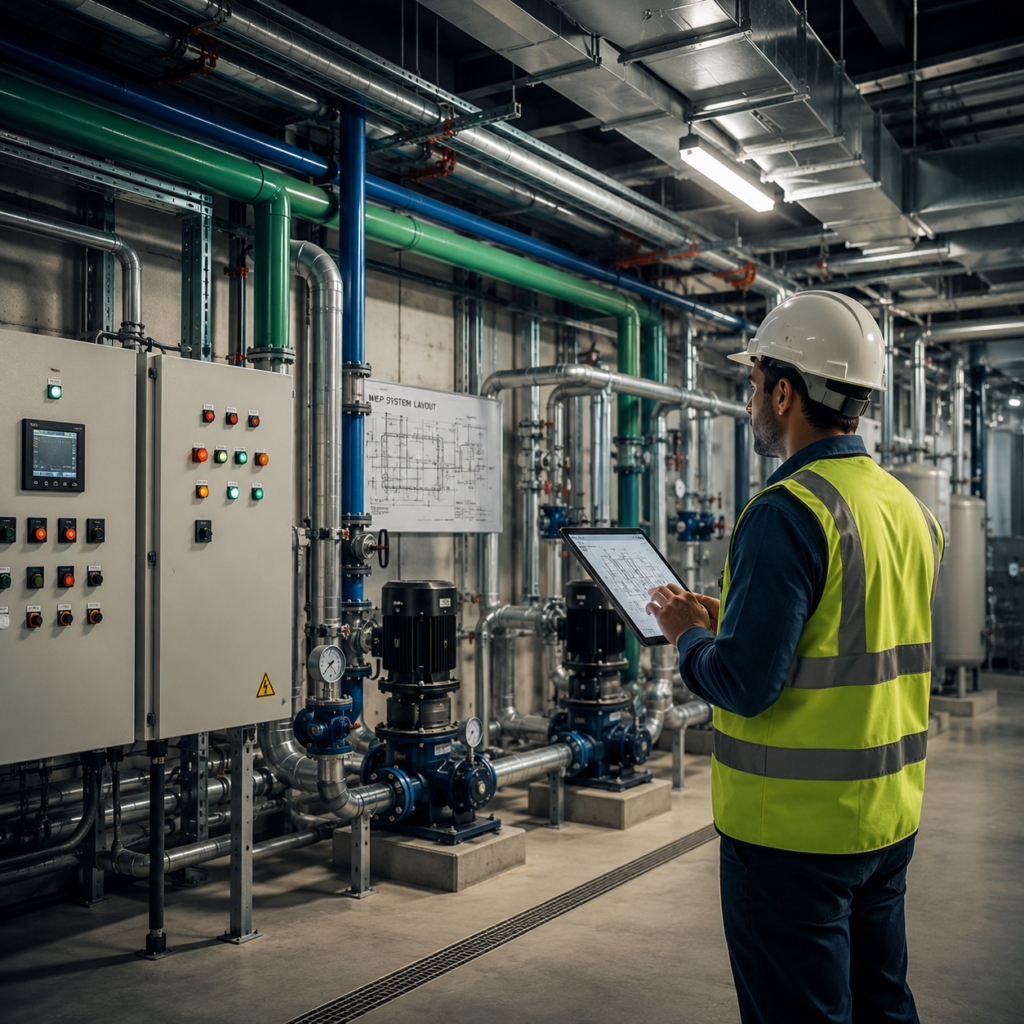
Industrial facilities depend on reliable mechanical, electrical, and plumbing systems. Power distribution, ventilation, process-related services, water, and fire protection must be planned together with the structure so that routes, loads, and clearances are accounted for from the beginning. Late changes to MEP layouts are one of the most common causes of delay and rework in industrial buildings.
Infrastructure and external works
A production facility also needs roads, drainage, utilities, and site development that support access, logistics, and long-term operation. Treating these works as part of the same delivery plan, rather than as an afterthought, helps the project reach readiness on time.
Finishing and fit-out for operation
Interior and exterior finishing, landscaping, and fit-out complete the facility. In food production, pharmaceutical manufacturing, and similar sectors, finishing details also affect hygiene, safety, and day-to-day operation, so they need the same level of coordination as the structure.
Testing, commissioning, and handover
Before handover, completed works and systems should be inspected, tested, and verified. This confirms that the facility is ready for safe and reliable operation and that the client receives a project that performs as intended.
Why integrated delivery works for industrial projects
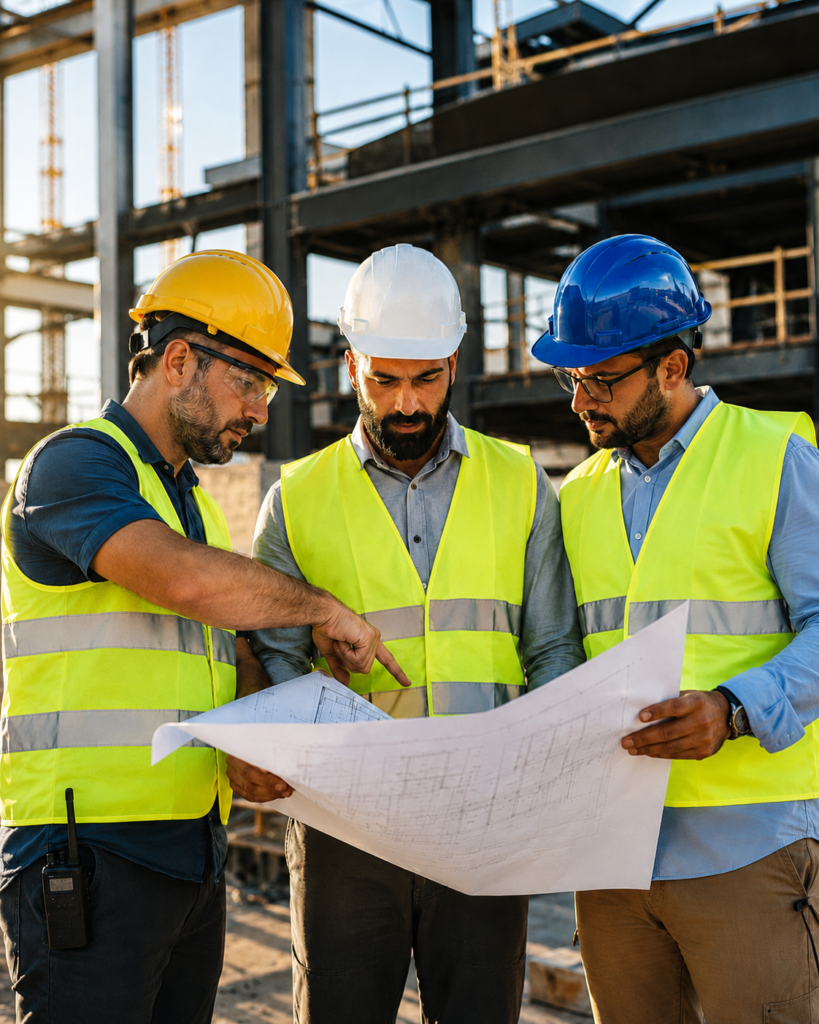
Industrial construction brings together civil, structural, steel, MEP, infrastructure, and finishing works on a single site and a single schedule. Coordinating them through one structured approach reduces conflicts between disciplines and gives the client clear accountability from planning to handover.
HAMA.CO has delivered factories, warehouses, and industrial facilities across Saudi Arabia through this approach, from site preparation and civil works to steel erection, MEP systems, finishing, and final handover. If you are planning an industrial project, our team can review your scope and discuss the most suitable delivery approach.